We are the only superpower
The military industrial complex, the surveillance state, and the imperial global oligarchy appear invincible. But our oppressors are not untouchable deities and we are not their meek subjects. History proves that power is not defined by them, but by us.

The world’s most potent force has no army, no algorithms, no stock ticker. It wakes each morning in garment factories from Honduras to Sri Lanka. It toils long hours in the offices and factories, rallies in the picket lines, and fights the imperial fascist militants of capital. This force, the global working class, the dissident, the resister; looks on the surface like the most surveilled, policed, and outmatched population in human history. Yet within its collective hands lies a power so absolute that the towering edifice of transnational capital is built almost entirely around one objective: making sure we never notice our true potential.
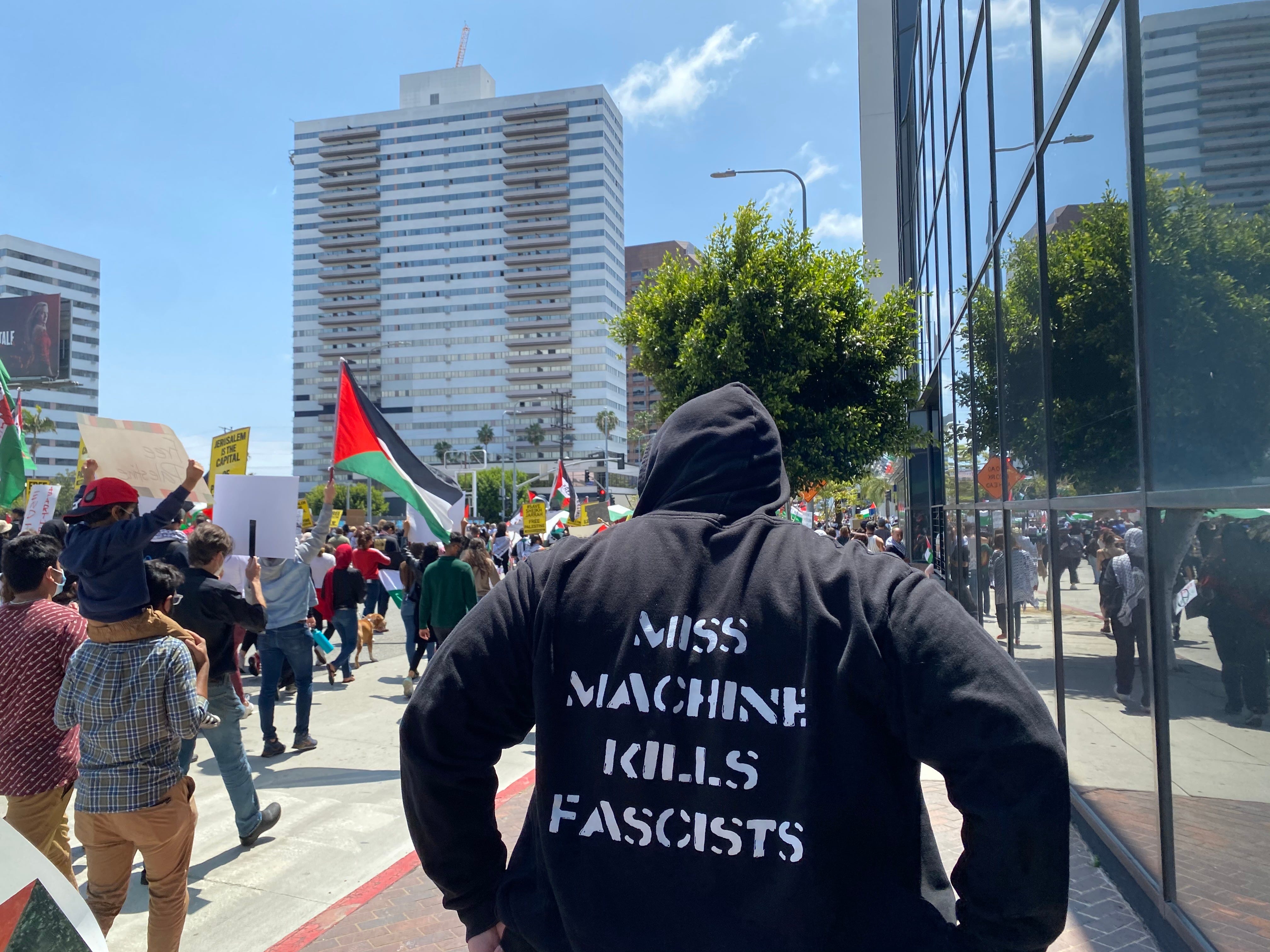
For decades, the dominant narrative has described a world in which power has migrated irreversibly away from people and toward platforms, away from public plazas and into mega corporations and hegemonic empires. A transnational capitalist class commands military contractors, imperial armies, and fascist police forces that fuse local and federal authority with a surveillance apparatus that turns entire populations into legible data. It is tempting to look at this architecture: drones, predictive policing, liquidity flows that discipline elected governments, and conclude that the contest is over, that the Leviathan has won. Genocides abroad, concentration camps at home: and a nonstop accumulation of wealth by the benefactors of such atrocities.
That conclusion rests on a misunderstanding of what power actually is, a misunderstanding that a long line of dissident thought has labored to correct. The cartel of capital and coercion possesses a spectacular capacity to dominate and destroy. What it cannot do, by its very nature, is love and create. It cannot stitch a garment, grow a crop, cure a patient, or raise a child. It cannot produce a single line of code that is not typed by human fingers, nor can it operate a port, a power grid, or a hospital without the tacit, moment-by-moment cooperation of the people it monitors. Its wealth is dead labor; its intelligence is crystallized human cooperation it did not invent. The global supply chain is not a machine owned by a boardroom; it is a fragile, miraculous choreography of billions of human beings who can, at any moment, decide to flip the script.
I am not interested in abstract radicalism. I am merely emphasizing the blunt material architecture of our world. When logistics workers in crucial chokepoints slow their pace, global commerce trembles. When nurses and teachers withdraw their consent, the everyday life of a society seizes up. When the underdog fights back and freezes the global economy while its hegemonic oppressor’s endless bombing campaigns fail to deliver victory in a foolish war of conquest, the emperor is revealed to be as naked as we always knew he was.
The bullet and the algorithm can punish such refusal, but they cannot replace what is withheld. The regime of surveillance is not proof of strength; it is the monumental, expensive signature of fear. It is a ruling order that must monitor everything because it trusts nothing, and it trusts nothing because its power is borrowed from those it dominates. A century ago, a revolutionary described empires bristling with bayonets as “paper tigers”—terrifying in form, hollow in essence. The same must be said of the algorithm-laden tiger of our own time. It roars and plays god because it cannot do the one thing a genuine creator can: generate life from its own resources.
The resisters and dissidents scattered across the planet are not merely heroic figures in a tragic drama. They are the early warning system of a historic shift. Their refusal; to stay silent in the face of climate looting, to accept algorithmic exploitation as natural, to let the machinery of surveillance pass for governance—is the first crack in the wall of inevitability.
But, as the dissident tradition also insists, spontaneous rebellion is only a spark. It becomes a flame when it finds organization: when dockworkers coordinate across oceans, when renters form unions with the precision of logistics managers, when the monitored become the ungovernable by building their own networks of solidarity. Power, in this view, is not won by asking the state for kinder surveillance. It is won by making the existing order unworkable and by showing, in the shell of the old, the daily practice of a new way of living.
To the individual reading this on a screen that may well be tracking your eyes, this can sound like a fantasy. What can one person do against the fusion of corporate capital and state intelligence? The question itself is a trap, atomizing a collective into helpless units. The answer is to refuse the trap. To see in your own workplace, your neighborhood, your encrypted group chat the raw material of a counter-power that needs only to be linked, trained, and audacious enough to realize that it already runs the world while its masters merely price it.
The transnational elite’s power is vast, tyrannical, and ecocidal. But it is the power of a parasite on a host. The host is waking. The true strength on this planet—the strength to build, to heal, to coordinate, and ultimately to govern life for human need rather than private profit—lies in the hands that have always done the work. The question is not whether the internationalist working class and its dissident allies are more powerful. They are, by every historical and material measure, the only power that can create a future. The question is when we will stop performing helplessness and begin exercising the power that is already ours.